Where ancient monasteries cling to cliffsides, underground rivers carve cathedral-sized caves, and locals still argue about who makes the better khachapuri.
Imereti is where Georgia keeps its secrets. While tourists flock to Tbilisi and Kazbegi, this lush, green region in western Georgia quietly goes about being magnificent. Medieval kings built their capitals here. UNESCO protects its monasteries. And nature carved out some of the most spectacular caves and canyons in the Caucasus.
The region centers on Kutaisi, Georgia’s second city and former capital — a place where 3,000 years of history meet post-Soviet grit and surprising charm. But Imereti is really about what lies beyond: forest-draped mountains, waterfalls plunging into gorges you won’t find on most maps, and cave systems so vast they feel like entering another planet.
This is Georgia without the tourist markup. Better prices, fewer crowds, and the kind of encounters that don’t happen in heavily-visited places — like getting invited to someone’s grandmother’s house for chacha and churchkhela before you’ve even asked for directions.
Why Visit Imereti?
Because it’s real Georgia without the tourist veneer.
Imereti doesn’t try to impress you with Instagram-perfect views (though it has those). Instead, it draws you in with layers. Peel back the first impression — Kutaisi’s crumbling Soviet facades — and you’ll find a golden-age monastery where Georgian kings are buried, a canyon with a suspension bridge that’ll make your heart race, and caves that may have inspired Greek legends about the underworld.
Your money goes further here
Kutaisi is one of Georgia’s most affordable cities. Budget guesthouses cost €10–15 a night, excellent meals run €5–8, and entrance to those extraordinary caves? Usually 6–15 GEL (€2–5). For travelers coming from Tbilisi prices, Imereti feels like a different country.
The caves are serious geology
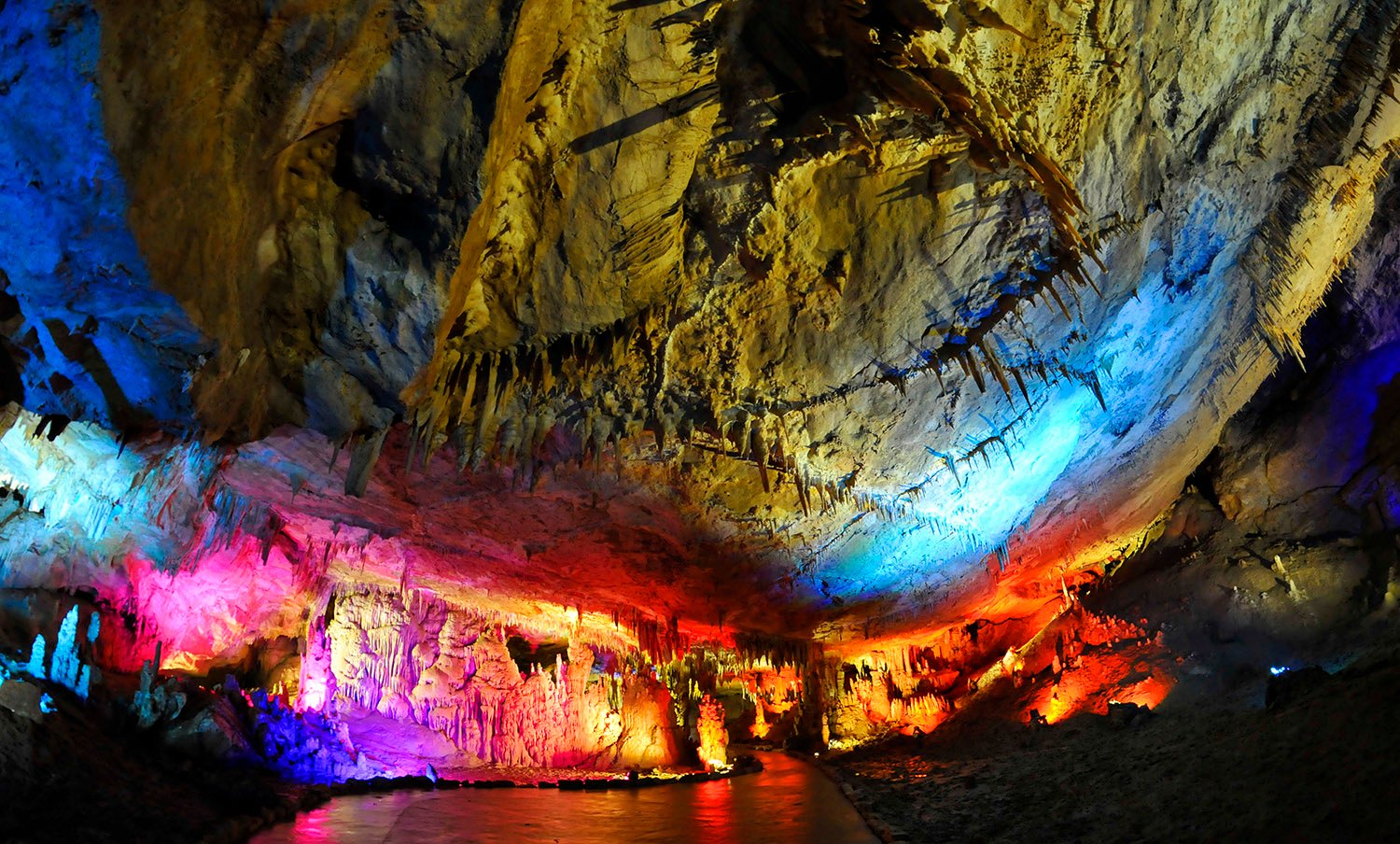
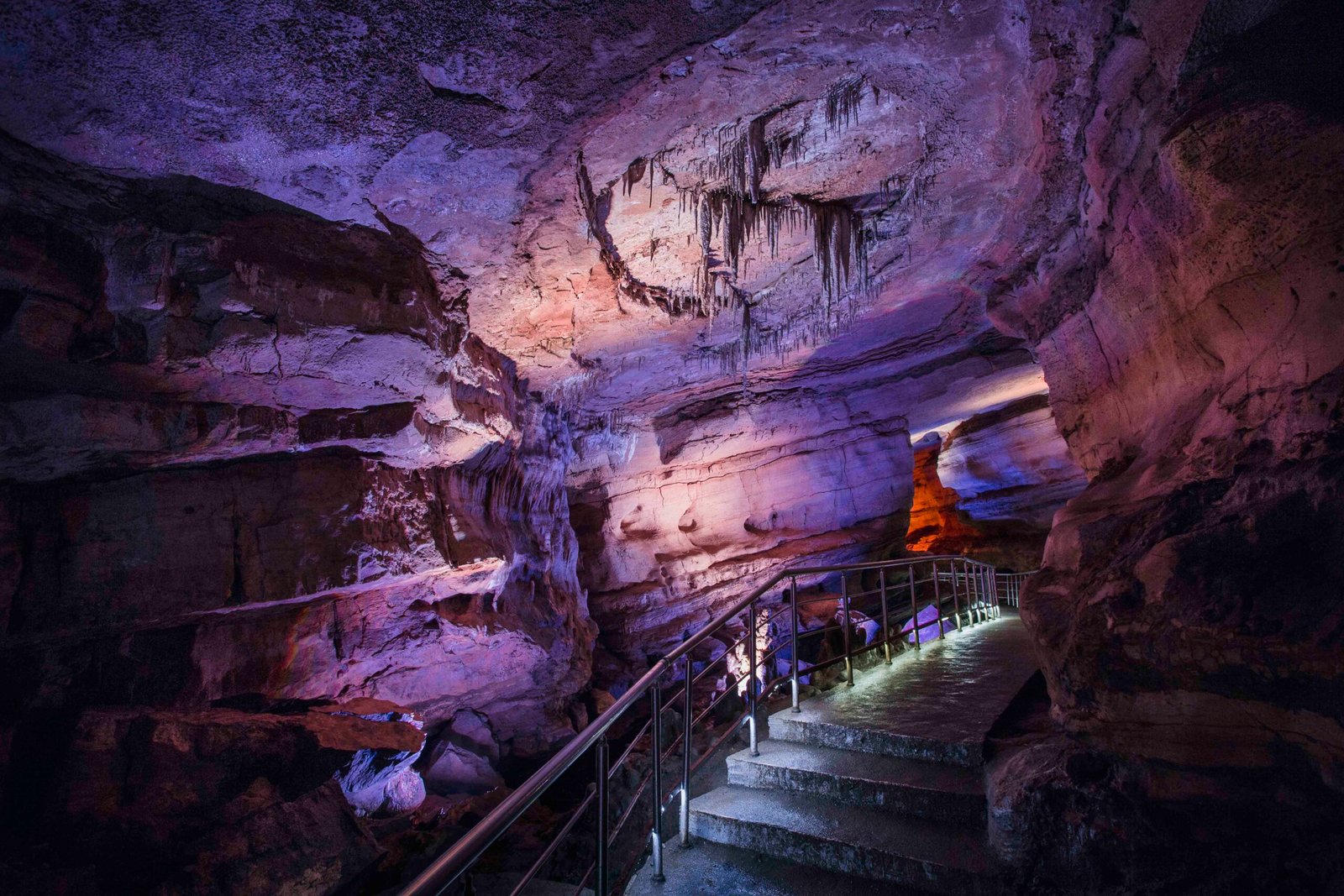
The Imereti Cave Protected Area includes some of Europe’s most impressive underground systems. Prometheus Cave (Kumistavi) stretches 1.4 km of electrically-lit walkways through chambers filled with stalactites, underground rivers, and formations that look like frozen waterfalls. Sataplia features dinosaur footprints from 160 million years ago and a glass-floor viewing platform cantilevered over a cliff. These aren’t roadside curiosities — in any other European country, they’d have hour-long queues and €30 tickets.
History measured in millennia, not centuries
Kutaisi is one of the oldest continuously inhabited cities in the world — over 3,000 years. This was Colchis, the land where Jason and the Argonauts sought the Golden Fleece. Gelati Monastery was called the “Second Jerusalem” in the medieval world, a center of learning that preserved knowledge through centuries of invasions. Standing in its frescoed hall, you can almost hear the debates of 12th-century scholars.
The food culture is fierce
Ask ten Georgians where the best khachapuri comes from, and half will say Adjara. The other half will say Imereti — and they’re ready to argue. Imeretian khachapuri is flatter, filled with Imeretian cheese (slightly sour, creamy), and genuinely addictive. Try it fresh from a bakery at 6 AM, when the dough is still warm and the cheese pulls in long strings. Life-changing is overused as a word, but here it applies.
Green in a way eastern Georgia isn’t
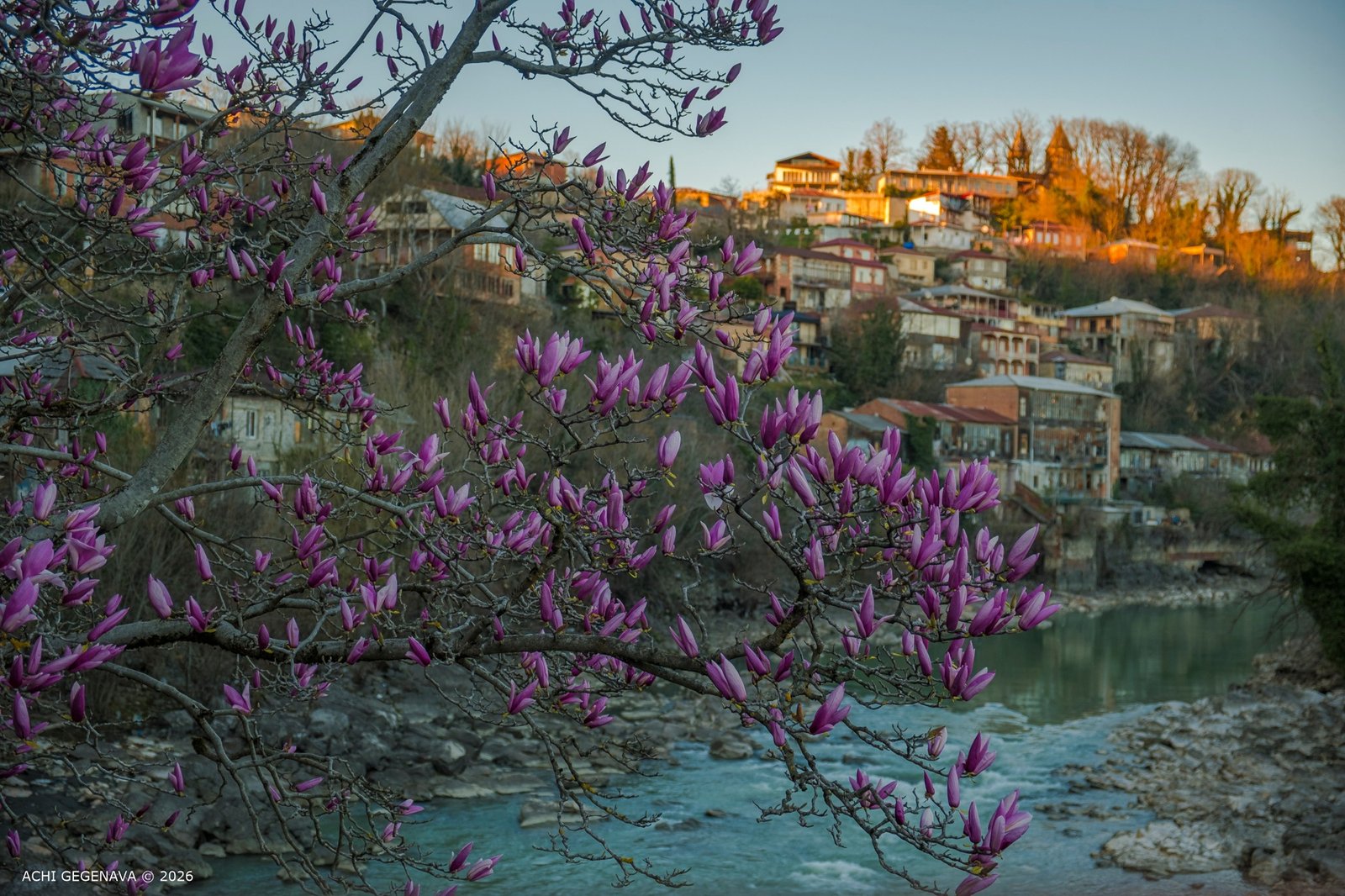
Imereti sits in the transition zone between the dry east and the subtropical west. The result? Forests that stay green year-round, rivers that actually flow in every season, and vegetation so thick it feels almost tropical. The western section of the Borjomi-Kharagauli National Park offers hiking through pristine forests where you may not encounter another person all day.
What to See in Imereti
Churches and Monasteries
Gelati Monastery — UNESCO-listed 12th-century complex founded by King David the Builder. The academy here was once Georgia’s intellectual center, and the mosaics and frescoes inside the main church remain some of the finest in the Caucasus.
Motsameta Monastery — Perched dramatically above a forested gorge where the Tskaltsitela River bends. Smaller and quieter than Gelati, and often more atmospheric. The view from the river below looking up is one of Imereti’s best photo spots.
Bagrati Cathedral — Kutaisi’s skyline-defining cathedral, built in the 11th century under King Bagrat III. The controversial 2012 restoration cost it its UNESCO status, but the panoramic views over the city and the Rioni River are still worth the climb.
Ubisa Monastery — A 9th-century church with 14th-century frescoes that are among the best-preserved medieval wall paintings in Georgia. Less visited, which means you’ll likely have the place to yourself.
Katskhi Pillar — A 40-meter natural limestone monolith with a small church on top, used by a hermit monk until 2015. One of the strangest sights in Georgia.
Kutaisi Synagogue — A reminder of Kutaisi’s once-significant Jewish community. The building itself is modest but historically significant.
Towns and Resorts
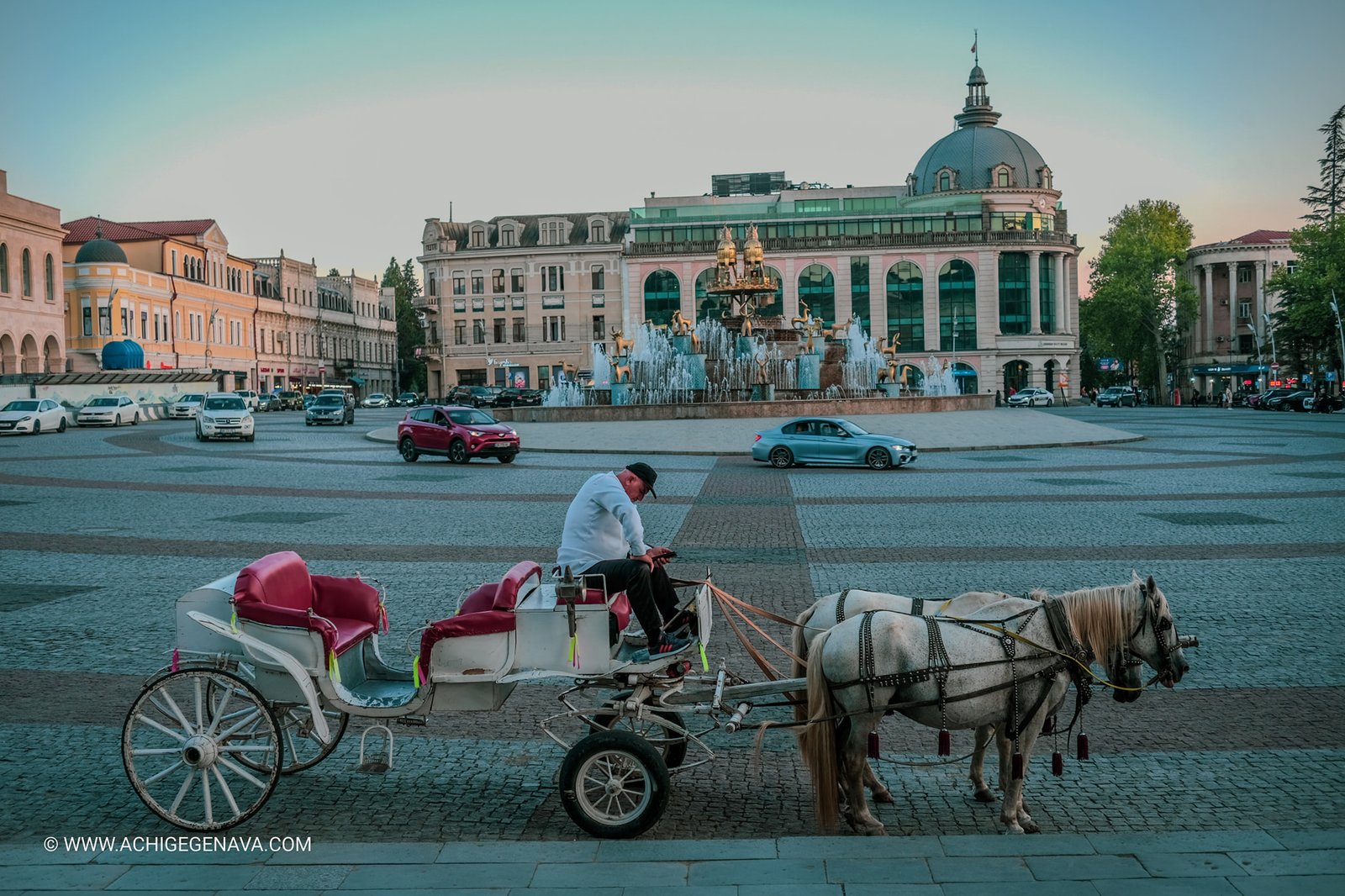
Kutaisi — Georgia’s second city: 3,000 years old, compact, walkable, and surprisingly charming once you get past the Soviet-era exterior. The Green Bazaar alone is worth a morning.
Vani — Archaeological site of an ancient Colchian city. The museum holds gold artifacts from the 5th–3rd centuries BC — evidence that the Golden Fleece legend had real roots.
Geguti — Ruins of a 12th-century royal palace, once a summer residence of Georgian kings. Not heavily touristed, but significant for architecture enthusiasts.
Tskaltubo — A Soviet-era spa resort with a strange, faded grandeur. The radon-carbonate springs still operate, and the abandoned sanatoriums have become a magnet for urban exploration photographers. Don’t enter the abandoned buildings alone — structural issues are real.
Sairme — A mountain mineral springs resort at 950 meters altitude, surrounded by forest. Quieter and less developed than Borjomi, which is either a drawback or exactly the point, depending on what you’re after.
Natural Monuments
Prometheus Cave (Kumistavi) — 1.4 km of lit walkways through six chambers, with an optional underground boat ride on a subterranean river. Georgia’s most visited cave, and for good reason.
Sataplia Nature Reserve — Dinosaur footprints, a karst cave, Colchic forest, and that glass observation platform over the cliff. Perfect for families.
Navenakhevi Cave — Opened to tourists in 2018 and still relatively unknown. Two stories, four halls, 120 stalagnates — more than Sataplia and the famous New Athos Cave combined. Worth the trip for the intimacy alone.
Okatse Canyon — A suspended metal walkway bolted to the cliff face 140 meters above the canyon floor. Not for the faint-hearted, but the morning light through the gorge is extraordinary.
Kinchkha Waterfall — A 70-meter cascade in a limestone amphitheater. Particularly impressive in spring when snowmelt swells the flow.
Lomina Waterfall — Smaller and less famous than Kinchkha, but beautiful and usually crowd-free.
Borjomi-Kharagauli National Park — Georgia’s largest national park. The western trails accessible from Imereti pass through ancient Colchic forest with almost no foot traffic.
Ready to Explore Imereti? Check Out Our Tours
Practical Information: Planning Your Imereti Visit
Getting There
From Tbilisi:
Marshrutka: 15 GEL (~€5), 3–3.5 hours, departs from Didube Station. Leaves when full.
Train: Day trains to Rioni Station take about 5 hours (15–20 GEL). From Rioni, a 20-minute taxi to Kutaisi center. The overnight option exists but is slow.
Car: 230 km via the E60 highway, a comfortable 3-hour drive.
By air:
Kutaisi International Airport (David the Builder) — Wizz Air and other budget carriers fly here from across Europe, often at prices significantly cheaper than Tbilisi flights.
Airport to Kutaisi city center: marshrutka (5 GEL), taxi (30–40 GEL), about 25 km.
Getting Around Imereti
Kutaisi makes the best base. Most attractions are day trips from the city.
Marshrutkas: Cheapest option, depart from Kutaisi bus station to most destinations.
Taxi day trips: Negotiate a full-day rate. Expect 80–120 GEL for a combined Prometheus Cave + Sataplia + Okatse run.
Organized tours: €25–40 per person for group tours covering the main caves and canyons.
Rental car: €25–35/day. Best option if you want to reach Navenakhevi Cave, Kinchkha Waterfall, or the more remote spots on your own schedule.
Distances from Kutaisi:
Destination Distance Drive time
Gelati Monastery 11 km 20 min
Sataplia 9 km 15 min
Prometheus Cave 20 km 30 min
Okatse Canyon 50 km 1 hr
Kinchkha Waterfall 67 km 1.5 hrs
Navenakhevi Cave 20 km 30 min
When to Visit
The short answer: May–June and September–October are ideal. But each season has its character.
Season Temperature Highlights Drawbacks
Spring (Apr–May) 15–22°C Wildflowers blooming, waterfalls at peak flow, fresh green landscapes, ideal hiking Some rain in April
Summer (Jun–Aug) 25–30°C Swimming at waterfalls, longest daylight, all roads open Humid and hot, caves more crowded in July–August
Autumn (Sep–Nov) 12–22°C Grape harvest, fall colors in the mountains, wine festivals, mild temperatures Rain increases in November
Winter (Dec–Mar) 3–10°C Fewest tourists, lowest prices, caves open year-round Cold and rainy, some mountain roads closed
Where to Stay
Kutaisi is the obvious base — the best selection of accommodation, food, and transport connections.
Budget (€10–20/night): Guesthouses in the Old Town, basic but clean Soviet-era hotels, hostels near Freedom Square. At this price range, you’ll likely get a family-run place with a conversation included.
Mid-range (€25–45/night): Boutique hotels in renovated buildings, family guesthouses with breakfast included. Look around the Old Town or near Bagrati Cathedral for the best locations.
Comfort (€50+/night): Modern hotels with full amenities, some in restored heritage buildings.
Alternative bases:
Tskaltubo: Cheaper than Kutaisi, closer to the caves, but less atmosphere and fewer restaurants.
Gordi village: Near Okatse Canyon. Very rural, very quiet — ideal if you want to feel the countryside rather than just drive through it.
Budget Breakdown
Expense Budget (€/day) Mid-range (€/day)
Accommodation €10–15 €25–35
Food €8–12 €15–25
Transport €2–5 €10–15
Attractions €3–5 €8–10
Total €23–37 €58–85
Money-saving tips:
Buy produce at the Green Bazaar — spices, churchkhela, fresh fruit, cheese.
Take marshrutkas instead of taxis for single destinations.
Combine Prometheus Cave + Sataplia + Okatse Canyon in one taxi day trip — drivers know the circuit.
Eat at sadilikebi (local cafeterias) — full meals for 5–8 GEL, and often better food than restaurants.
Travel Tips: What You Need to Know
Food and Drink
Imeretian khachapuri is the local pride — flatter than the boat-shaped Adjarian version, with a slightly sour Imeretian cheese filling. Every bakery makes it; the best ones open at dawn.
Local wines: Tsolikouri, Tsitska, and Krakhuna are the white grape varieties of Imereti. Lighter and more mineral than the amber Kakhetian wines, and best paired with local food. The Western Georgia Wine Tour covers these in depth.
Kupati: Spicy Georgian sausage. Imereti makes particularly good versions — look for them grilling at roadside stops.
Cheap eats: Sadilikebi serve full meals for 5–8 GEL. Point at what looks good.
Language
English is less widely spoken than in Tbilisi — be prepared to use gestures, translation apps, or basic phrases.
Russian works well with older generations.
Learn at least gamarjoba (hello) and madloba (thank you). Even a clumsy attempt earns goodwill.
Cave Tips
Bring a light jacket — it’s a constant 14°C inside the caves, which feels cold when it’s 30°C outside.
Wear shoes with grip. Some stairs and surfaces are damp.
Photography is allowed. Tripods aren’t practical on the narrow walkways.
Safety
Imereti is very safe. Petty crime is rare.
Watch your footing on the Okatse Canyon walkway in wet conditions — the metal can be slippery.
Don’t enter abandoned Tskaltubo sanatorium buildings alone. The atmosphere is fascinating, but the structural integrity is not.
The biggest actual “danger” is being invited for too much wine and chacha at someone’s table. Learn to pace yourself, or don’t — Georgians are forgiving either way.
Best Photography Spots
Bagrati Cathedral at sunset — the light catches the stone and the city spreads out below.
Okatse Canyon walkway in morning light — shadows and mist in the gorge.
Motsameta Monastery from the river viewpoint — the classic angle.
Prometheus Cave — challenging without a tripod, but the colored lighting on the formations rewards patience.
Why Imereti Deserves Your Time
Most Georgia itineraries hit Tbilisi, Kazbegi, Kakheti, and maybe Batumi. They skip Imereti. That’s a mistake.
Imereti gives you the Georgia experience at Georgian prices. The caves here would draw enormous crowds and steep admission fees anywhere else in Europe — here, you pay a few lari and sometimes have entire chambers to yourself. You’ll eat in restaurants where you’re the only foreigner. You’ll stand in monasteries where the only sound is your footsteps on ancient stone.
Is it polished? No. Will you find perfect English everywhere? No. But you’ll find something more difficult to come by: the sense that you’ve arrived somewhere real, somewhere that isn’t performing for tourists.
Kutaisi is positioning itself as Georgia’s second tourism hub. Budget flights from Europe land at the airport. Infrastructure is improving year by year. In five years, Imereti might look completely different.
Visit now, while it still feels like a discovery.
Blog about Imereti