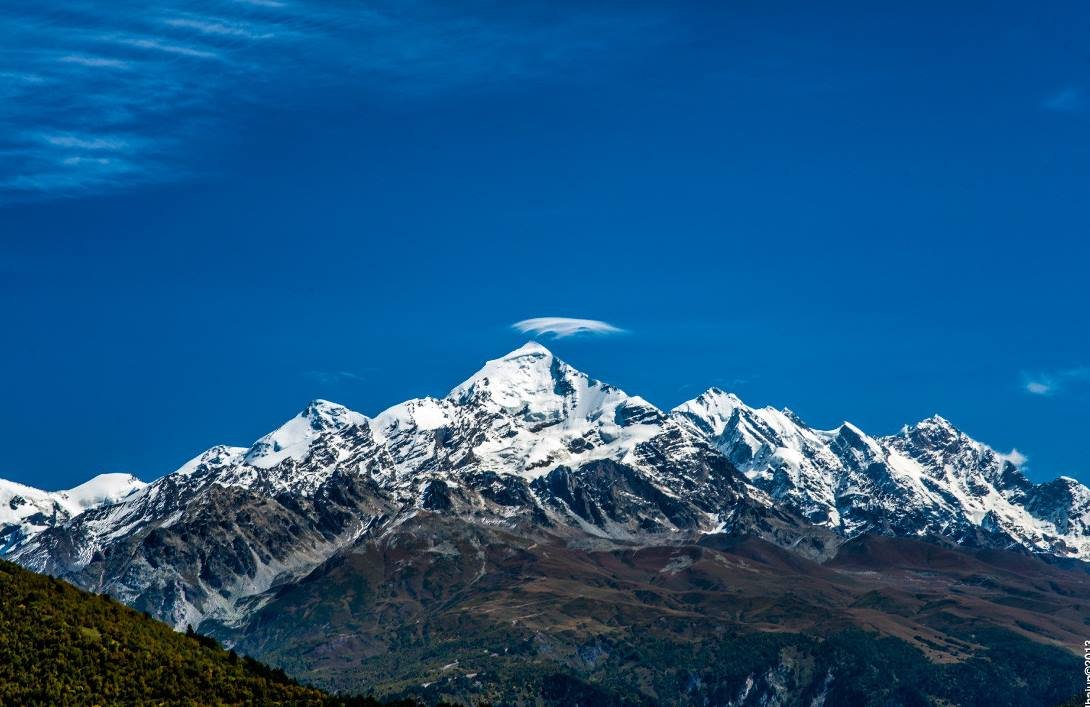
A Country That Doesn’t Fit Into Any Category
Georgia is the size of Ireland, wedged between Russia and Turkey, and manages to contain more contradictions per square kilometer than most continents. Snow-capped peaks over 5,000 meters and a subtropical Black Sea coast, separated by four hours of driving. Medieval stone towers in mountain villages with no paved roads, and a capital city with a techno scene that rivals Berlin. Eight thousand years of continuous winemaking and a cuisine that the rest of the world is only just starting to notice.
Georgians call their country Sakartvelo — the land of the Kartvelians. They have their own alphabet, one of only 14 original scripts in the world. Their polyphonic singing tradition is so distinctive that NASA put it on the Voyager Golden Record, launched into space in 1977 as a sample of human culture. Their alphabet made the UNESCO Intangible Heritage list. So did their winemaking method.
The country has been invaded by virtually every empire in the neighborhood — Persian, Arab, Mongol, Ottoman, Russian — and each time rebuilt itself with stubborn good humor. This is the fundamental thing about Georgia: it should have been absorbed a hundred times over, and it just… wasn’t. The language survived. The alphabet survived. The wine survived. The recipes survived. The sense of humor — dark, warm, self-deprecating — survived.
If you’re reading this, you’re probably considering a trip. Here’s what you should know before you go.
Georgia at a Glance
- 🏔️ Highest point: Mt. Shkhara, 5,193 m
- 🍷 Wine history: 8,000 years
- ✝️ Christian since: 337 AD (4th country ever)
- 🔤 Alphabet: Unique, 33 letters
- 🎵 On Voyager: Polyphonic song in space
- 🌊 Coast: Black Sea (Batumi)
- 🏛️ UNESCO sites: 4 cultural + 1 natural
- 🍽️ National dish: Khachapuri (cheese bread)
- 🐺 “Georgia” origin: Possibly Persian gurg (wolf)
15 Things About Georgia That Surprise People
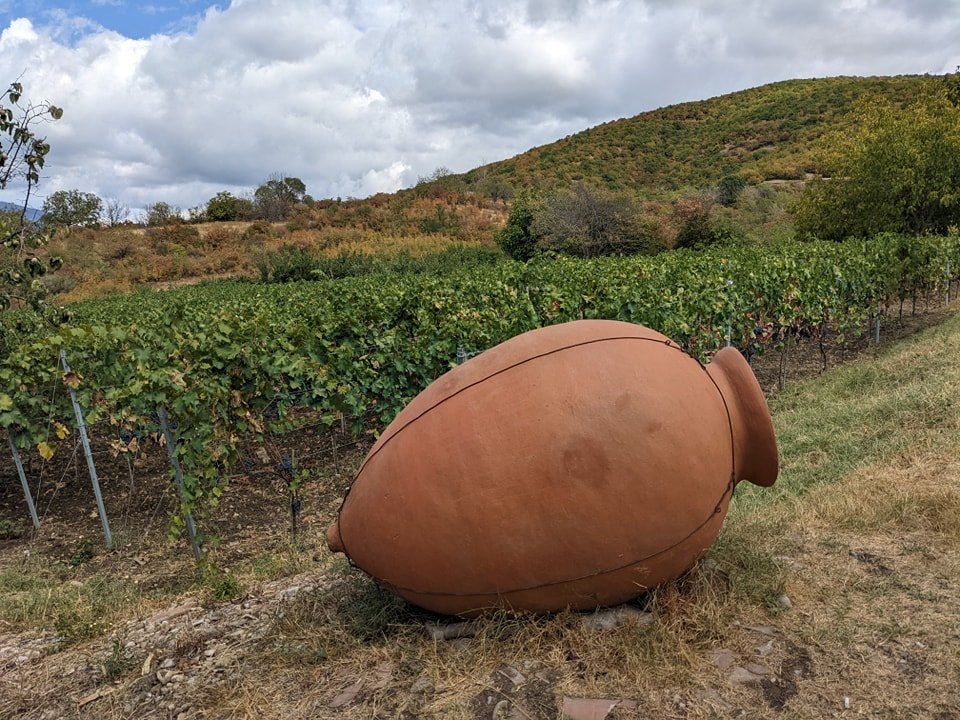
- Wine is older here than pyramids. Archaeological evidence dates Georgian winemaking to 6000 BC — two millennia before Egypt built its first pyramid. The clay vessel method (qvevri) is still in daily use.
- The alphabet is its own invention. Georgian script doesn’t derive from Greek, Latin, Arabic, or Cyrillic. It’s one of 14 original alphabets in the world, and one of only three still in active use (alongside Korean and Ethiopic). UNESCO declared it Intangible Cultural Heritage.
- Guests are from God. The Georgian saying “stumari ghvtisaa” means “a guest is from God.” This isn’t just folklore — strangers genuinely get invited into homes for meals. The tradition of supra (feast) with a tamada (toastmaster) is alive and taken seriously.
- Georgia was the 4th country to adopt Christianity — in 337 AD, after Armenia, Ethiopia, and the Roman Empire. The Svetitskhoveli Cathedral in Mtskheta, where the conversion happened, still stands.
- Over 500 grape varieties. Georgia has more indigenous grape varieties than any other country. Most are cultivated in tiny quantities by family winemakers. Saperavi and Rkatsiteli are the big names, but there are hundreds you’ve never heard of.
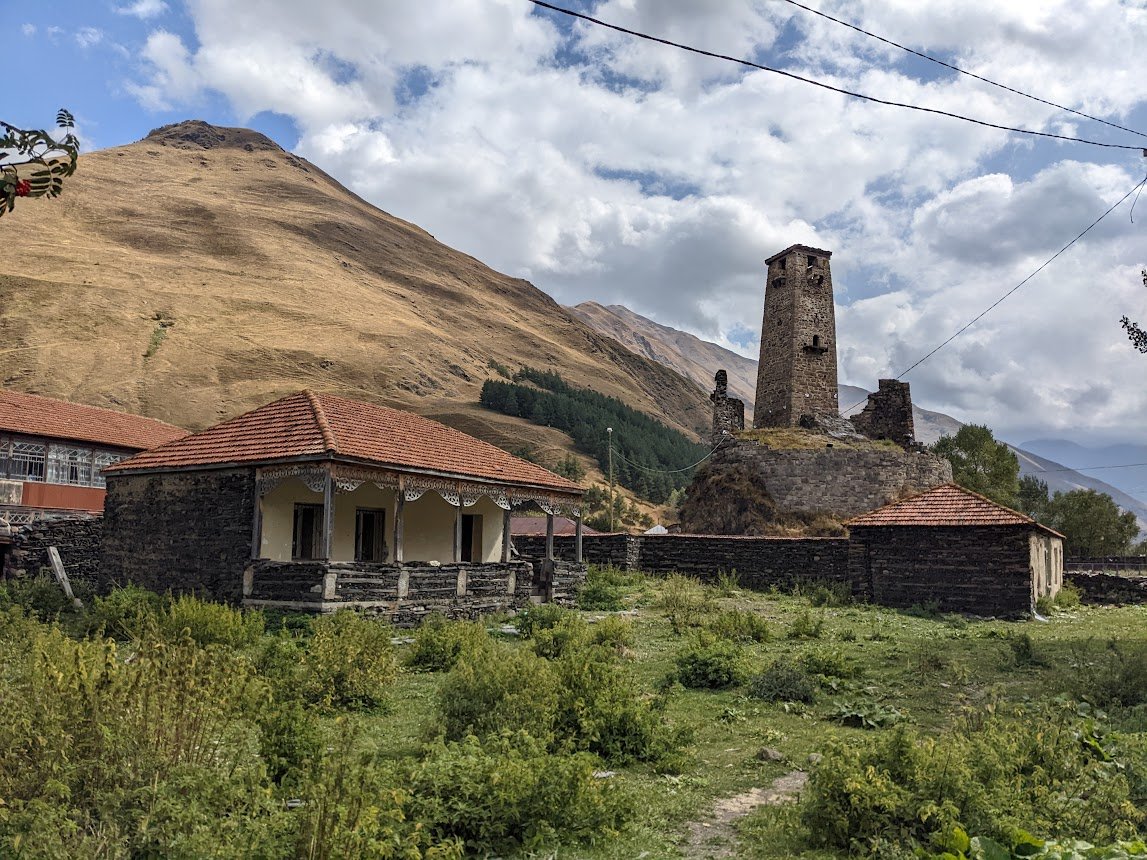
- The Caucasus Mountains have Europe’s highest village. Ushguli in Svaneti, at 2,100 meters, is the highest continuously inhabited settlement in Europe. It’s also a UNESCO World Heritage Site with medieval defensive towers.
- Georgian polyphonic singing went to space. In 1977, NASA included the Georgian folk song “Chakrulo” on the Voyager Golden Record — a collection of human achievements sent into interstellar space. Of all Earth’s music, this one made the cut.
- The Golden Fleece myth may be real. The ancient Greek legend of Jason and the Argonauts sailing to Colchis (western Georgia) for the Golden Fleece may reference an actual practice: Svans in the mountains used sheepskin to pan for gold in rivers. The wool trapped gold dust, creating a literal golden fleece.
- Georgia has its own wrestling style. Chidaoba is a Georgian martial art — a form of jacket wrestling with roots going back centuries. It’s a UNESCO-listed tradition, and Georgian wrestlers consistently dominate at the Olympics (judo, freestyle, Greco-Roman).
- Tbilisi was founded because of hot springs. King Vakhtang Gorgasali discovered sulfur springs while hunting with his falcon in the 5th century and built a city on the spot. The springs still flow. You can still bathe in them.
- The country’s name is a mystery. Georgians call it Sakartvelo. Where “Georgia” comes from is debated: possibly from the Persian gurg (wolf — “land of wolves”), possibly from the Greek georgos (farmer), possibly from St. George. Nobody knows for sure.
- Khachapuri has its own economic index. Georgia’s National Statistics Office publishes the “Khachapuri Index” — tracking the cost of ingredients for the national cheese bread as a measure of food-price inflation. It’s Georgia’s Big Mac Index.
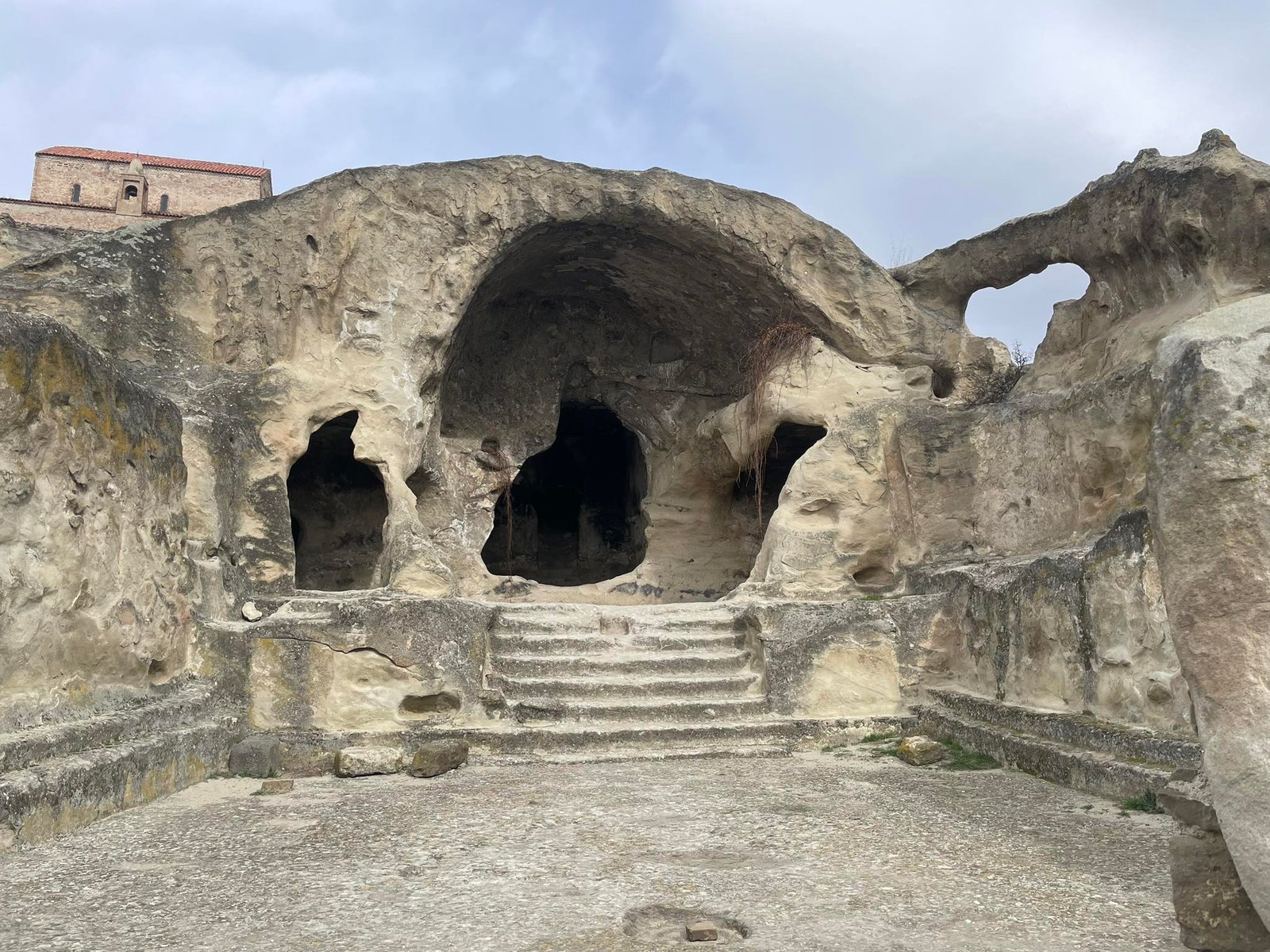
- The cave city of Vardzia held 2,000 monks. Carved into a cliff face in the 12th century, Vardzia once contained 6,000 apartments, a church, and a throne room, all cut into rock. It’s still standing in southern Georgia.
- Tbilisi has one of Europe’s best techno scenes. Bassiani, built in a former swimming pool under a stadium, is ranked among the world’s top clubs. The scene grew partly as cultural resistance during a period of conservative government.
- The alphabet has three versions. Georgian script evolved through three distinct forms: Asomtavruli (ancient), Nuskhuri (ecclesiastical), and Mkhedruli (modern, in use today). All three are part of the UNESCO listing. You can still see the older forms in church inscriptions.
The Regions: Georgia in Nine Postcards
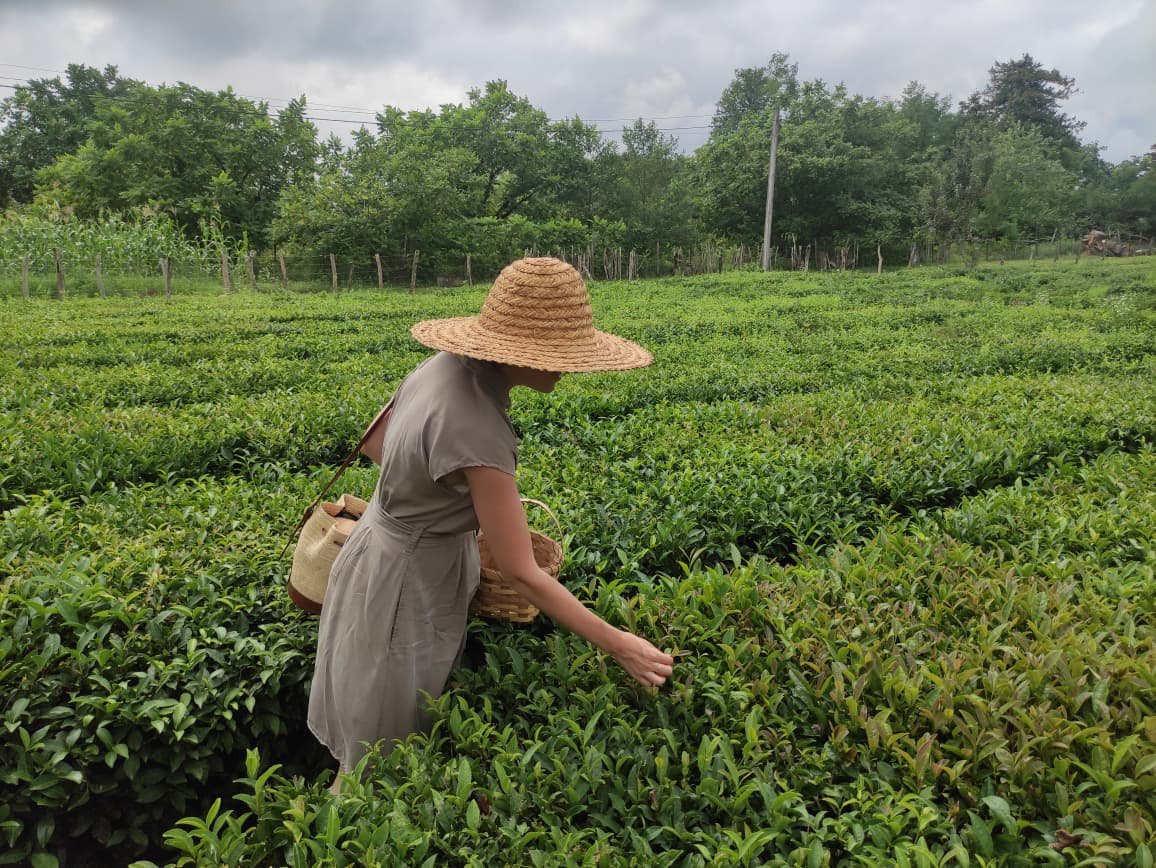
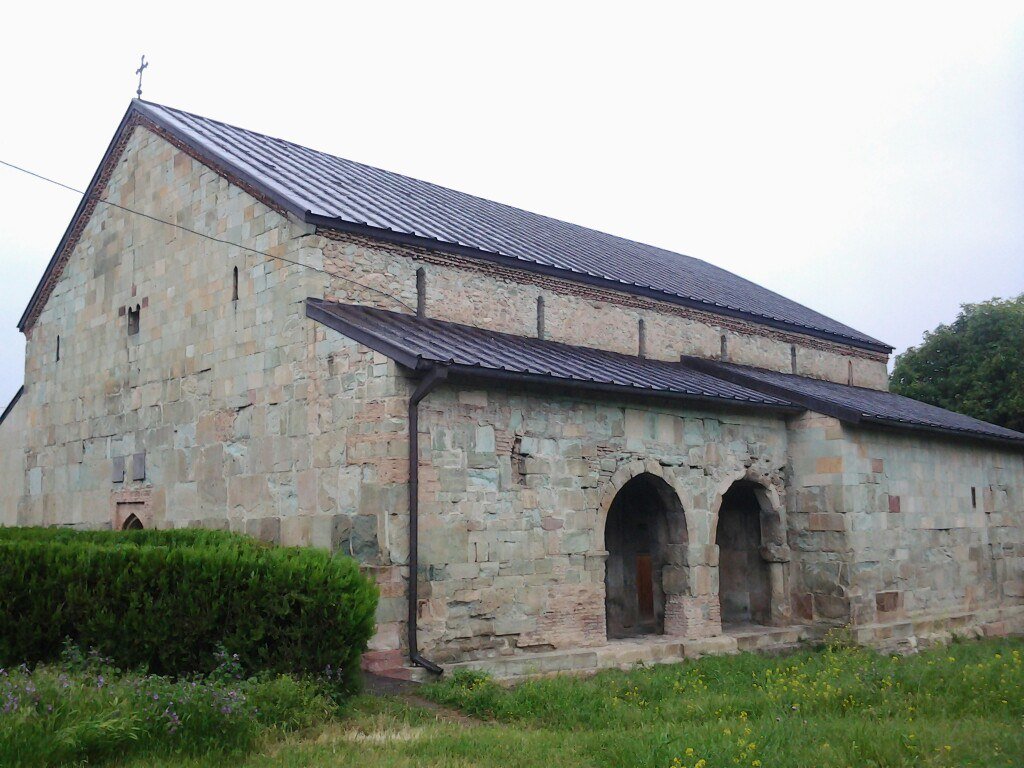
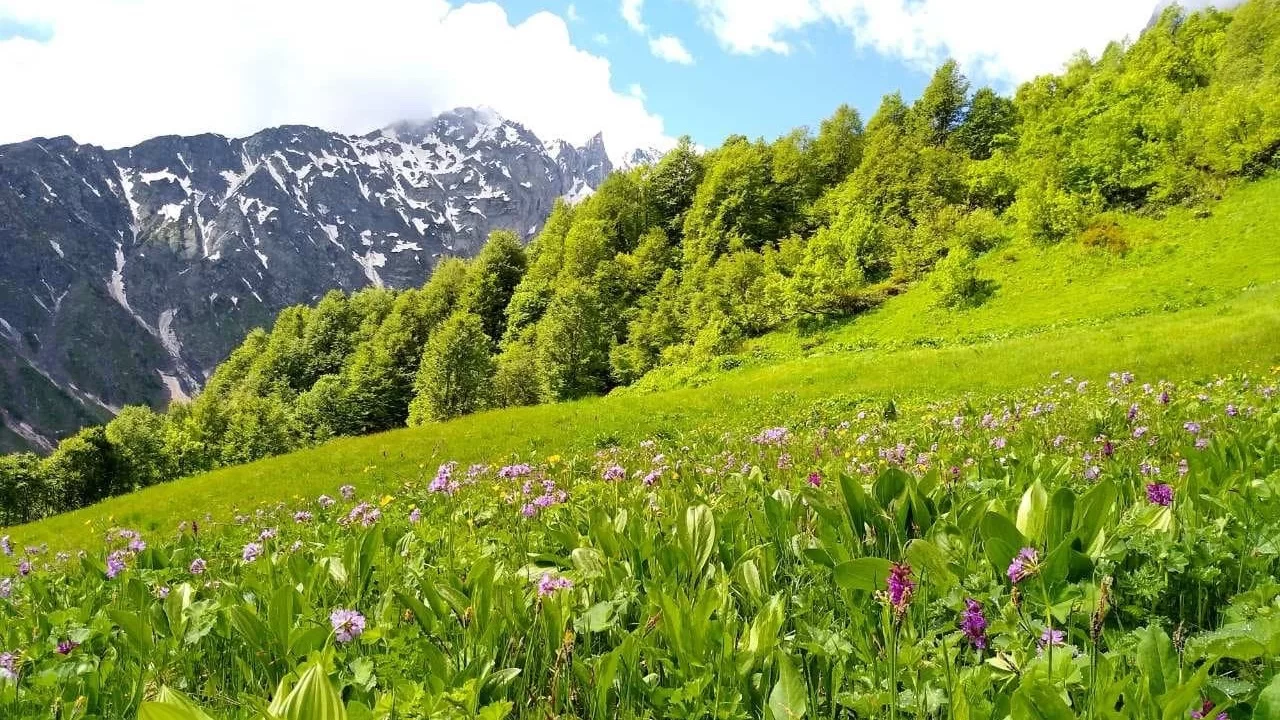
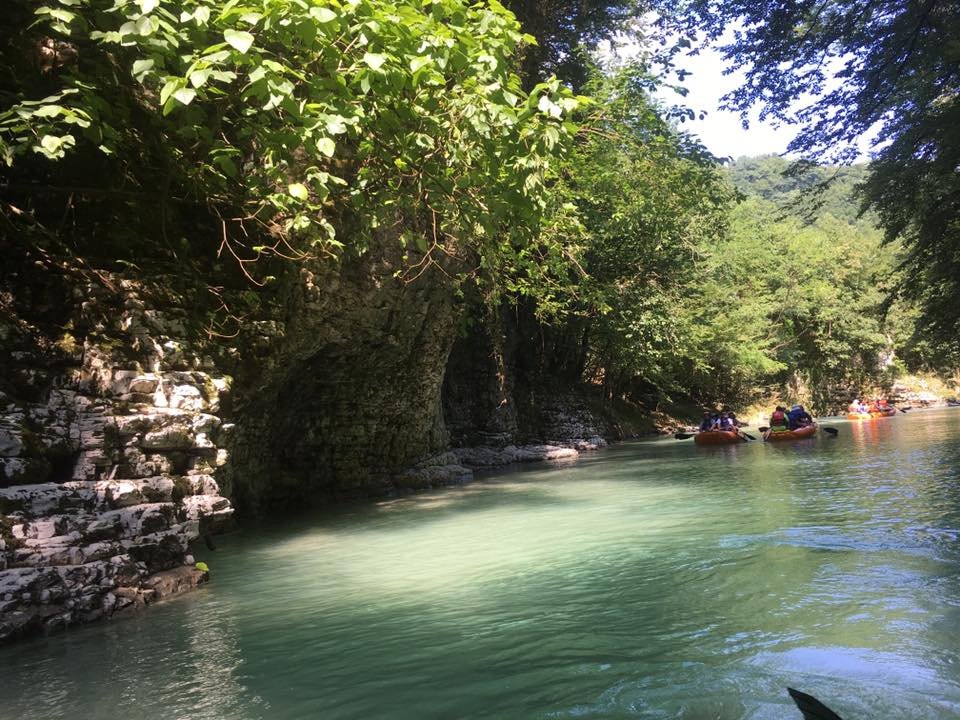
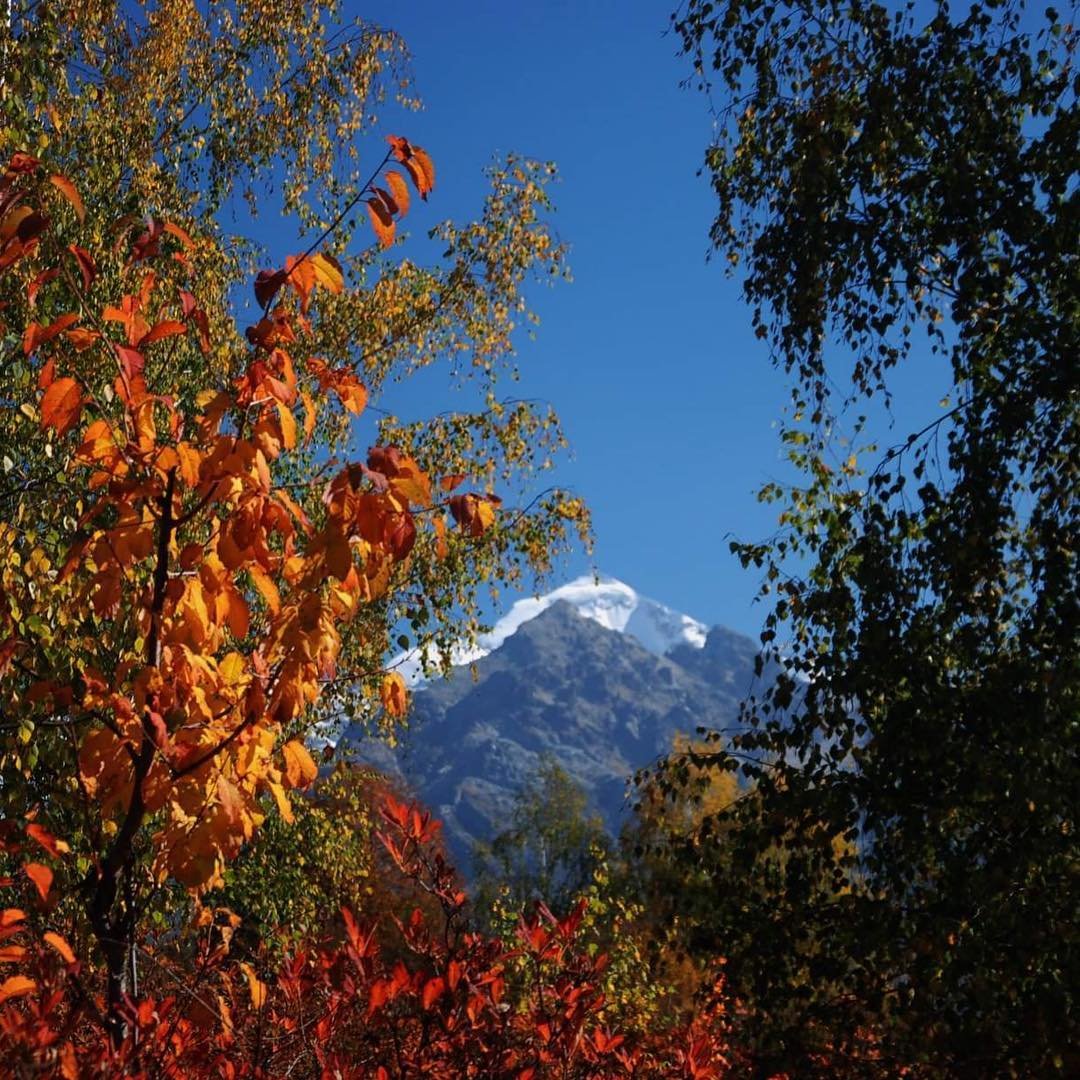
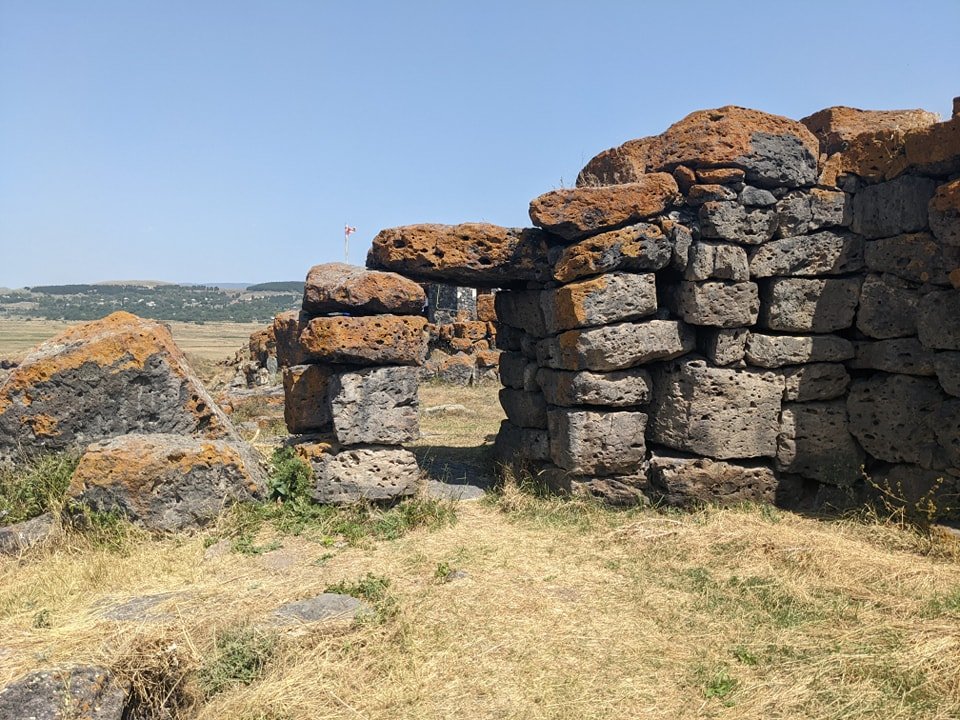
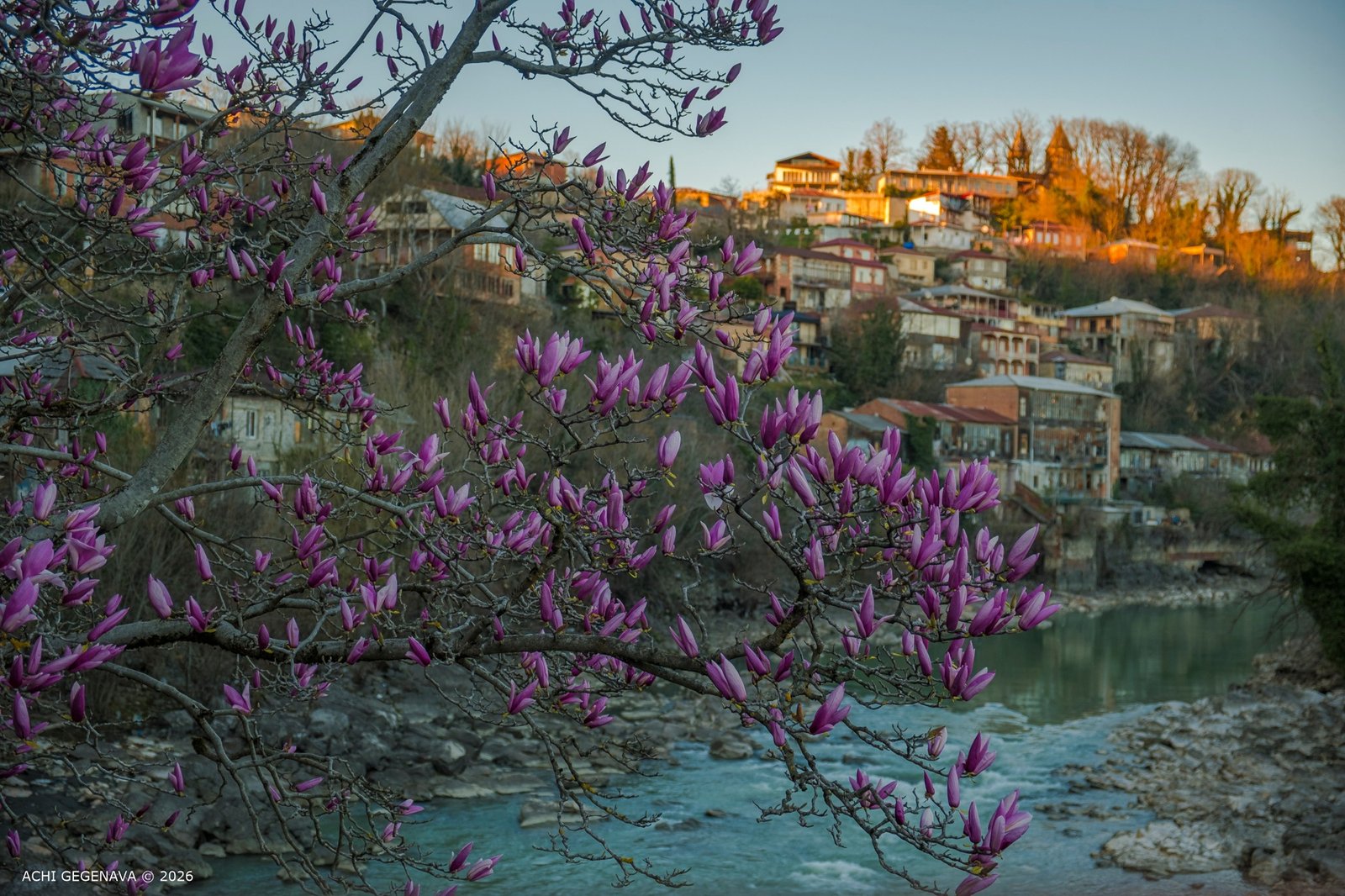
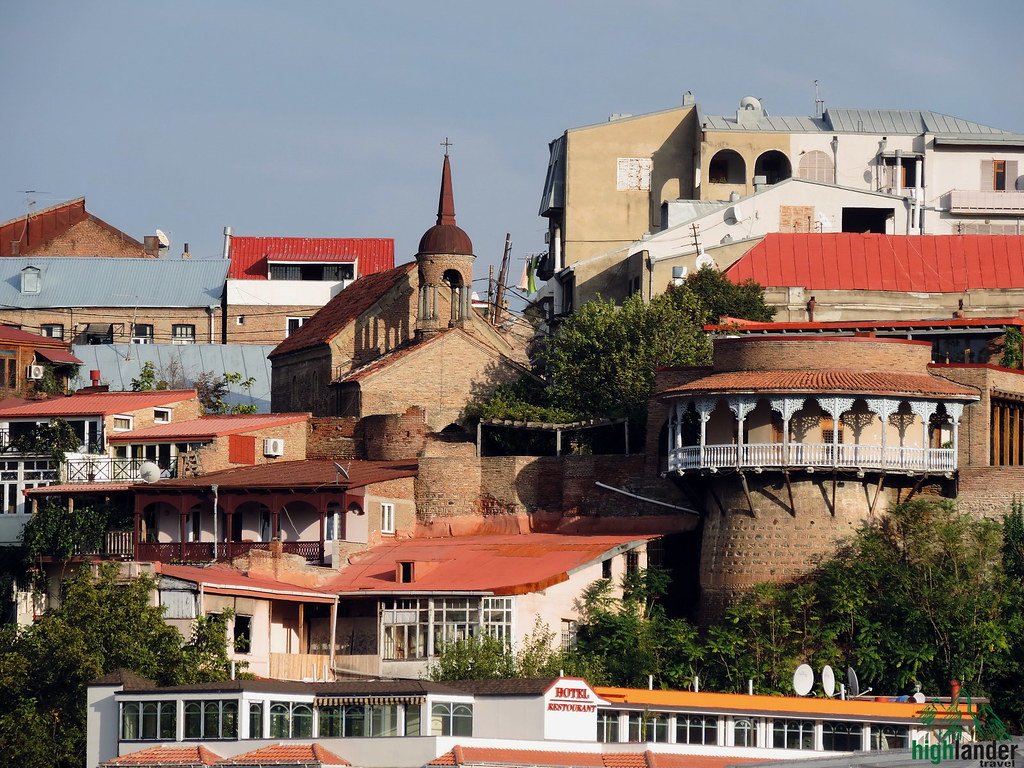
Georgia is small but absurdly diverse. You can drive from subtropical coastline to glacial mountains in half a day. Each region has a different landscape, different food, different personality. Here’s the map.
The Food: A Crash Course
Georgian cuisine is built around walnuts, fresh herbs, garlic, pomegranate, cheese, and bread — and it’s one of those food traditions that, once you’ve tried it, makes you wonder how the rest of the world hasn’t caught on yet.
Khachapuri — Cheese-filled bread in a dozen regional variations. The Adjarian version (egg, butter, and molten cheese in a bread boat) is the one everyone photographs. The Imeretian version (round cheese pie) is what Georgians actually eat every day.
Khinkali — Pleated soup dumplings. Hold by the dough knot, bite a hole, sip the broth, eat the rest. Never use a fork. Leave the knots on the plate (the waiter counts them).
Pkhali — Walnut-herb paste (spinach, beet, or cabbage), formed into balls. Deceptively simple, absurdly delicious.
Mtsvadi — Georgian barbecue. In Kakheti, they grill it over grapevine cuttings for a faintly sweet smoke.
Churchkhela — Walnut strings dipped in thickened grape juice. Looks like a candle, tastes like nothing else.
Regional specialties to seek out: kubdari (Svan meat pie), ajapsandali (vegetable stew), lobio (bean stew in a clay pot), badrijani (walnut-stuffed eggplant).
The Wine: 8,000 Years and Counting
Georgia makes a credible, archaeologically supported claim to being the birthplace of wine. The qvevri method — fermenting grapes in large clay vessels buried underground, skins and all — predates every other known winemaking technique and is still in everyday use.
The result, for white grapes, is amber wine (also called orange wine): tannic, nutty, oxidative, and utterly unlike any white wine from anywhere else. Natural wine fans worldwide have been obsessing over Georgian qvevri wines for years. Tasting them here, from the source, is a different experience entirely.
Key grape varieties:
- Saperavi — Red. Deep, dark, tannic. Ages beautifully. Georgia’s signature red.
- Rkatsiteli — White. Fresh and citrusy in modern style. Amber and complex in qvevri.
- Mtsvane — White. Aromatic, often blended with Rkatsiteli.
- Kisi, Khikhvi — Rare white varieties that produce outstanding qvevri wines.
Georgia has over 500 indigenous grape varieties — more than any country on earth. Most are grown in tiny quantities by family producers. Every winery visit is a discovery.
Read more in our complete guide to Georgian grape varieties and explore our wine tours in Kakheti.
Practical Essentials
Getting There
Georgia has two international airports: Tbilisi (main gateway, direct flights from many European and Middle Eastern cities) and Kutaisi (budget carriers, especially Wizz Air). Direct flights from London, Berlin, Vienna, Warsaw, Istanbul, Dubai, and Tel Aviv among others. Flight time from central Europe: 3.5–4.5 hours.
Visa
Citizens of the EU, UK, US, Canada, Australia, Israel, and 90+ other countries enter visa-free for up to one year. Passport required (ID cards not accepted). One of the most generous visa policies in the world.
Money
Currency: Georgian Lari (GEL). Roughly 1 USD = 2.7–2.9 GEL (check before travel). Cards accepted in cities and tourist areas. Cash essential for rural areas, marshrutkas, markets, and many guesthouses. ATMs are plentiful in Tbilisi, Batumi, Kutaisi, and major towns.
Getting Around
Marshrutkas (minibuses) connect all major towns. They leave when full, not on schedule. Tbilisi has a metro (2 lines). Bolt and Yandex taxi apps work nationwide and are cheap. For mountain regions, a 4WD with driver is the way to go. Domestic flights connect Tbilisi with Mestia (Svaneti) and Batumi.
Safety
Georgia is very safe. Violent crime against tourists is extremely rare. Tbilisi is safe at night. Main risks: aggressive drivers and mountain roads. The Russian-occupied territories (South Ossetia, Abkhazia) are off-limits but nowhere near tourist routes.
Language
Georgian (own alphabet, 33 letters). English is increasingly spoken by younger people, especially in tourist areas. Russian is understood by older generations. Learning Gamarjoba (hello) and Madloba (thank you) gets you smiles everywhere.
Connectivity
Buy a SIM at the airport (Magti, Beeline, or Silknet — 10–20 lari for a data package). Wi-Fi is excellent in cities, spotty in mountains. Tusheti and parts of Svaneti have limited or no signal.
When to Visit: The Honest Version
| Season | Weather | Best for | Watch out for |
|---|---|---|---|
| Spring (April–May) | 15–25°C, occasional rain | Tbilisi, Kakheti, Mtskheta, southern Georgia. Wildflowers in hills | Mountain passes still closed. Tusheti and high Svaneti inaccessible until June |
| Summer (June–August) | 25–38°C (cities), 15–25°C (mountains) | Mountain trekking (July–August is peak). Batumi beaches. Tusheti accessible | July/August: Tbilisi and Kakheti are sweltering. Many city restaurants close |
| Autumn (Sept–Oct) | 15–28°C, golden light | Kakheti harvest (Rtveli). Tbilisi at its best. Last window for mountain treks | October can bring rain. Mountain roads close by late October |
| Winter (Nov–March) | 0–10°C (cities), heavy snow in mountains | Skiing (Gudauri, Bakuriani). Tbilisi without crowds. Low prices | Mountains inaccessible. Shorter days. Some tourist services reduced |
For more detail, see our guide on the best time to travel to Georgia.
Frequently Asked Questions
Is Georgia in Europe or Asia?
Depends who’s asking. Georgia sits at the crossroads — southern Caucasus, bordered by Russia, Turkey, Armenia, and Azerbaijan. It participates in European institutions, competes in Eurovision and European football, and most Georgians consider themselves European. Geographically, the Greater Caucasus is one traditional boundary between the continents.
Wait — is this the US state?
No. Georgia (Sakartvelo) is a sovereign country with thousands of years of history. The US state was named after King George II of Britain. The country was named… well, nobody’s entirely sure. Possibly wolves. Possibly farming. Possibly St. George.
Is Georgia safe?
Very. One of the safest countries in the region. Violent crime against tourists is extremely rare. Tbilisi is safe at night. Watch out for drivers — that’s the real hazard.
Do I need a visa?
If you’re from the EU, UK, US, Canada, Australia, or Israel (and 80+ other countries), no. You can stay up to one year visa-free. Passport required.
When should I visit?
May–June and September–October for most purposes. Mountain trekking: July–August. Wine harvest: September–October. Skiing: December–March. Avoid Tbilisi in July/August (brutal heat).
What language do people speak?
Georgian — with its own alphabet, one of 14 original scripts in the world. English is spreading fast among younger people. Russian is understood by older generations.
How many days do I need?
Minimum 5–7 days for Tbilisi + one region. 10–14 days for a comprehensive trip. Two weeks is ideal. Many people come back.
What currency?
Georgian Lari (GEL). ~1 USD = 2.7–2.9 GEL. Cards work in cities; cash needed in rural areas.
Can I drink the tap water?
In Tbilisi, yes. In smaller towns and rural areas, stick to bottled water unless your host says otherwise.
Ready to See Georgia for Yourself?
We’ve been running tours in Georgia since 2010. We live here. We know the back roads, the family cellars, the guesthouses that don’t advertise, and the mountain passes that’ll change how you think about driving. Tell us what you’re interested in — we’ll build a trip around it.